Courses
Train to be an Electrician or Plumber
Pre-Apprentice Program
Electrical
Safety First: Fire and Shock
Electrical Connections
The Electrician’s Best Friend - The Multimeter
Conductors and Insulators
Volts, Amperes, and Ohms
Resistance and Conductance
Meters
Series and Parallel Circuits
Sources of Electricity
Motors
Direct Current and Alternating Current
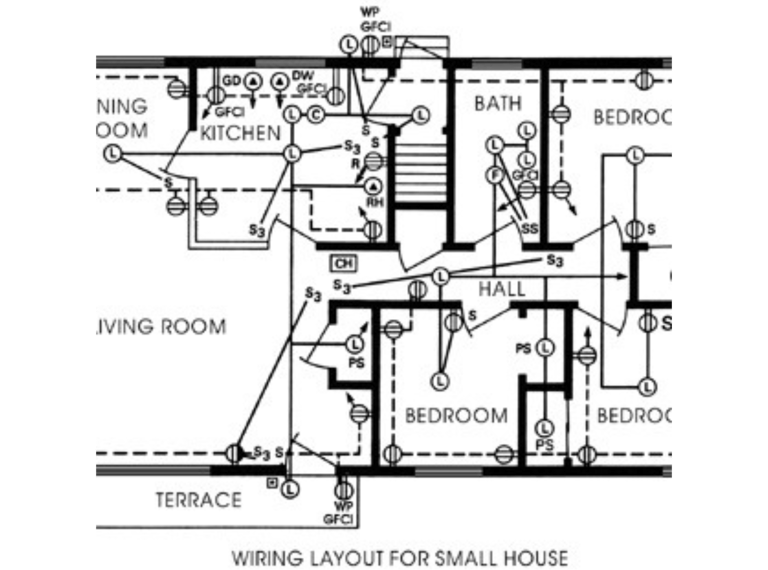
Electrical Symbols and Outlets
Lighting and Small Appliance Circuits
Wiring Methods
Switch Controls
GFCIs


Plumbing
Plumbing Safety & Tools
Building and Plumbing Codes
Soldering, Brazing, and Welding
Water Supply Systems
Plumbing Fixtures
Piping Materials and Fittings
The Use of Valves and Meters
Water Heaters
Pipe and Fitting Installation
Installing Fixtures, Faucets, and Appliances
Septic Systems
Storm Water and Sump Pumps
Repairing Water Supply Systems
Remodeling
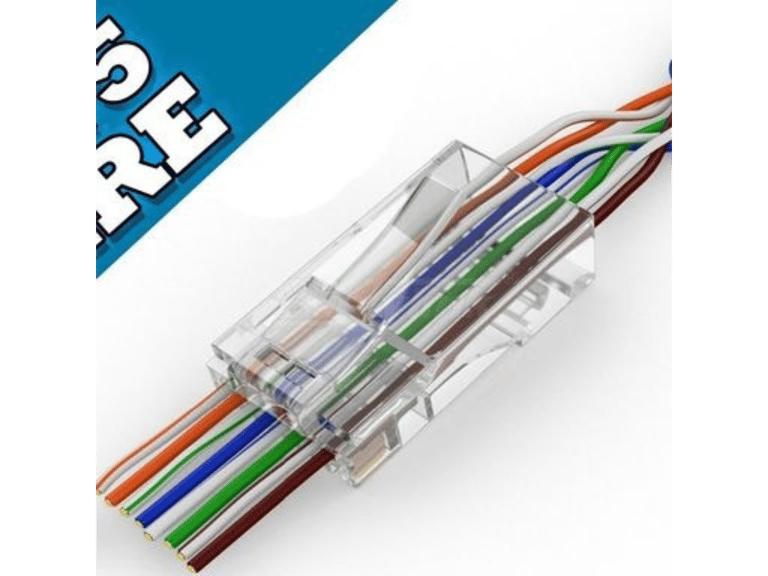
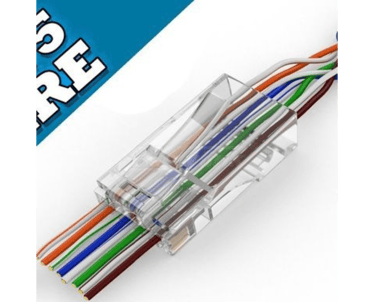
As an additional bonus you will receive instructions in IT systems.
What is networking?
CAT 516 wiring
Switcher router
IP address
CAT 5 color coding
Enclosure connectors
Circuit Design
Underlying blueprints
Networks and computers
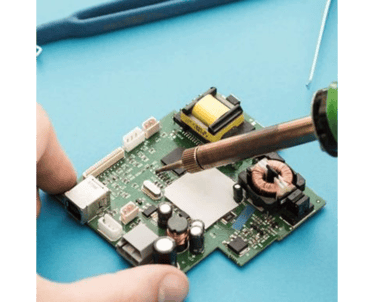
Electronic Soldering
Soldering Tools
Soldering Iron & Heat
PCB Components
Applying Solder
Common Mistakes
Soldering Safety
Finished Solder Joint

According to the U.S. Department of Labor, the median annual salary for plumbers, pipefitters, and steamfitters is $59,880. The number of jobs is projected to increase by 2% in the coming years.*
Trade Unions
www.ibewlocal26.org
International Brotherhood of Electrical Workers
www.local5plumbers.org
Plumbers & Gasfitters Local Union 5
Online Virtual Training
Electrical Curriculum
This curriculum is a Pre-Apprentice course. Each student is required to have their own laboratory tool kit as illustrated below. Before any student can participate in any class they are instructed on the use of electrician tools and safety.
Class Schedule
Classes are taught twice a week Tuesday and Thursday or as announced.
A large amount of time is given to multimedia and audio visual training, the best part of audio visual training is that students can download the video to view multiple times at their own time.
Course curriculum training will cover
Introduction to the National Electrical Code® (NEC)
Branch-Circuit, Feeders
Grounding Overcurrent Protection
Wiring Methods
Cabinets, Cutout Boxes, Meter Socket Enclosures Outlet
Nonmetallic-Sheathed Cable: Types NM, NMC and NMS
Switches, Receptacles
Cord Connectors
Learn features of multimeters
Learn how to quickly troubleshoot
Panelboards, and Branch Circuits
Electrical Floor Plans & Facility Wiring
Wire Size and Wire Insulation
Fittings and Boxes
Sizing of Fuses/Circuit Breakers
Wire Nuts, Terminals and Crimpers
Low Voltage Systems
All students will have hands-on training on wiring circuits and connections.
How to interpret electrical blueprints and drawings.
Understanding the National Electrical Code (NEC).
Math in the electrician trades.
Each student will receive their course book, charts and book of electrical components, boxes, connectors, wire sizes, and wire nuts.
Proper use of electrician hand tools and safety.
Course Cost
This is a 6 weeks course
Price $580 per student
It is a fast pace intensified course where students are assigned homework to do when they are not in class, this will help their knowledge base. Instructors are available 4 hours a day to assist any student, answer questions or help solve problems by personal cell phone.
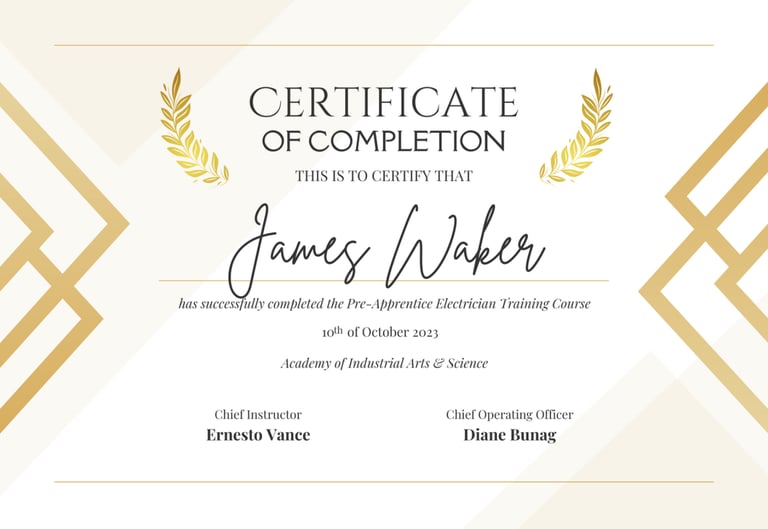
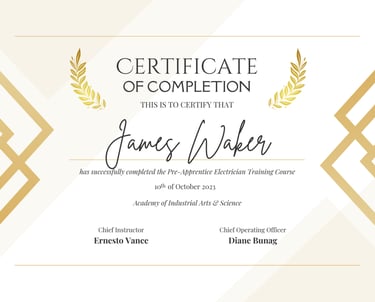
When each student has completed the necessary course hours they are awarded a certification of completion.
Note: Each State has different requirements for becoming an electrician.
Apprentice Electrician
Journeyman Electrician
Electrical Technician
Master Electrician
DMV Area
info@aiastraining.com
202-351-3085